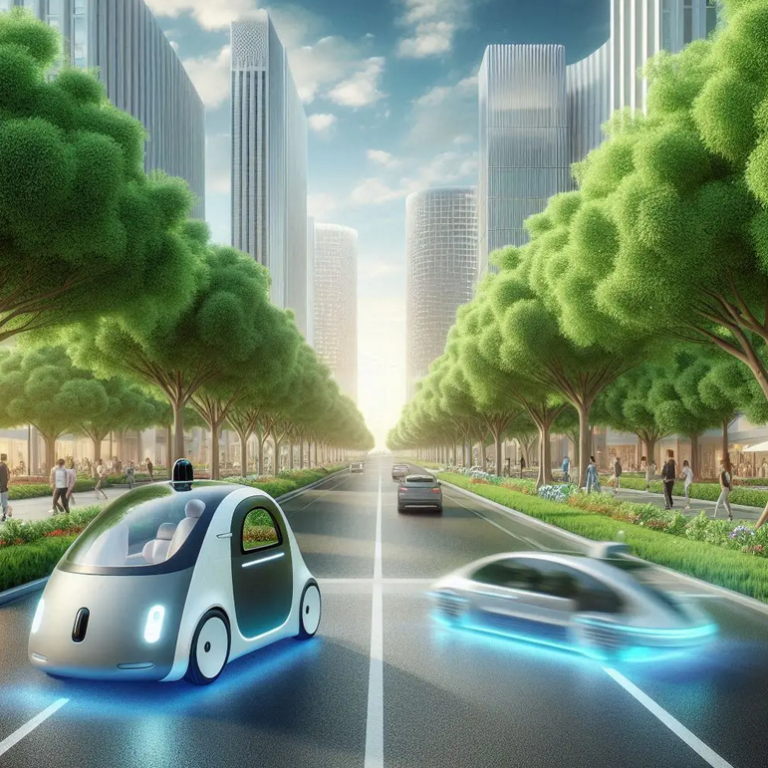
The dawn of self-driving technology has ignited a global conversation about Autonomous Vehicle Safety. While enthusiasts tout the promise of reduced accidents and improved traffic efficiency, skeptics remain wary of entrusting lives to artificial intelligence. The question remains: Can we truly trust autonomous vehicles to navigate our roads safely?
The Promise of Autonomous Vehicles
Autonomous vehicles (AVs) are often hailed as the future of transportation. Equipped with state-of-the-art sensors, machine learning algorithms, and real-time data processing capabilities, these vehicles aim to eliminate human error—the leading cause of road accidents. Proponents of AVs argue that by removing distracted, impaired, and reckless drivers from the equation, we can drastically reduce fatalities and injuries on the road.
Key Safety Features of Autonomous Vehicles
Modern AVs are engineered with a multitude of safety mechanisms designed to minimize risk. These include:
- Advanced Driver-Assistance Systems (ADAS): Features such as automatic emergency braking, lane departure warnings, and adaptive cruise control enhance vehicle safety.
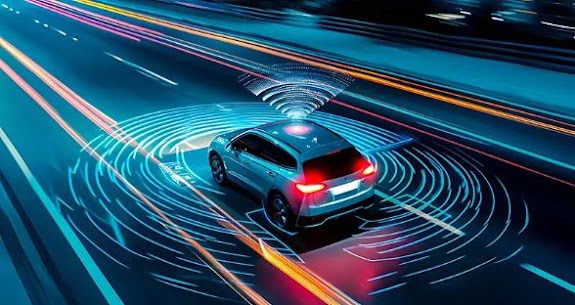
- LiDAR and Radar Systems: These technologies provide a 360-degree view of the surroundings, enabling AVs to detect obstacles and respond accordingly.
- Machine Learning Algorithms: Self-improving AI models help AVs make split-second decisions based on vast amounts of real-world driving data.
- Vehicle-to-Everything (V2X) Communication: AVs can interact with other vehicles, pedestrians, and infrastructure, enhancing situational awareness and reducing collisions.
Despite these innovations, Autonomous Vehicle Safety is still a contentious topic. While the theoretical benefits are immense, real-world implementation presents a unique set of challenges.
The Challenges of Autonomous Vehicle Safety
1. Decision-Making in Unpredictable Scenarios
One of the most significant hurdles in Autonomous Vehicle Safety is the ability to make ethical decisions in high-stakes scenarios. Unlike human drivers, AVs rely on pre-programmed algorithms to determine the best course of action. But what happens when an accident is inevitable? How does an AI decide whether to swerve into a pedestrian or collide with another vehicle?
This dilemma, often referred to as the “trolley problem,” raises moral and ethical concerns. Programming a vehicle to prioritize one life over another is a complex and controversial task that remains unresolved.
2. Cybersecurity Threats
As vehicles become more connected, the risk of cyberattacks increases. Hackers could potentially hijack an autonomous vehicle’s system, leading to catastrophic consequences. Ensuring Autonomous Vehicle Safety requires robust cybersecurity measures to prevent unauthorized access and system manipulation.
3. Sensor and Hardware Limitations
Although AVs utilize advanced sensors, they are not infallible. Poor weather conditions, such as heavy rain, fog, or snow, can obstruct LiDAR and camera functionality, leading to misinterpretations of the driving environment. Furthermore, hardware malfunctions can compromise vehicle control, making reliability a pressing concern.
4. Lack of Standardized Regulations
The regulatory landscape for Autonomous Vehicle Safety is still evolving. Different countries and states have varying requirements for AV testing and deployment, creating inconsistencies in safety standards. A unified global framework is essential to ensure AVs adhere to strict safety guidelines.
Real-World Accidents and Their Implications
Several high-profile accidents involving autonomous vehicles have intensified the safety debate. From Uber’s self-driving car fatality in 2018 to Tesla’s Autopilot crashes, these incidents highlight the need for continuous improvements in AV technology. While some argue that AVs are still safer than human drivers, these accidents underscore the importance of thorough testing and ethical considerations.
The Road Ahead: Improving Autonomous Vehicle Safety
1. Enhanced AI Training and Testing
Developing more sophisticated AI models with extensive real-world and simulated training data can improve Autonomous Vehicle Safety. By exposing AVs to diverse driving conditions, edge cases, and unpredictable scenarios, we can refine their decision-making abilities.
2. Implementing Redundant Safety Systems
To mitigate risks, AVs should incorporate multiple layers of fail-safes. This includes redundant braking systems, backup sensors, and emergency override mechanisms that allow human intervention when necessary.
3. Stricter Regulatory Oversight
Governments and industry leaders must collaborate to establish stringent safety regulations. Mandatory crash tests, ethical programming standards, and cybersecurity protocols should be enforced to guarantee AV reliability.
4. Public Awareness and Acceptance
Educating the public about Autonomous Vehicle Safety is crucial for widespread adoption. Addressing common misconceptions and demonstrating the technology’s benefits can build trust and acceptance among potential users.
While Autonomous Vehicle Safety has come a long way, challenges remain before full-scale implementation becomes a reality. Striking a balance between innovation and caution is essential to ensuring that AVs become a reliable, secure, and ethical mode of transportation. The future of self-driving technology hinges not just on technological advancements, but also on the collective efforts of regulators, manufacturers, and society at large. Can we trust autonomous vehicles? Perhaps not yet—but with continued progress, we may one day find ourselves in a world where roads are safer, smarter, and entirely driverless.
About the Author