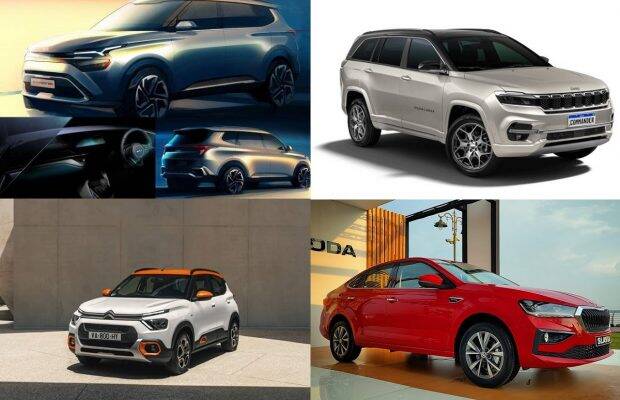

Selecting a new vehicle can feel like navigating a labyrinth of options, specifications, and marketing jargon. The automotive landscape evolves at a rapid cadence, with manufacturers introducing upgraded models, enhanced powertrains, and increasingly sophisticated technology every year. A strategic approach grounded in data, practicality, and long-term usability is essential. This New Car Comparison guide distills the complex decision-making process into a structured, highly analytical framework designed to help you choose the perfect model for your lifestyle and needs.
Understanding Your Core Requirements
Every smart automotive decision begins with a frank assessment of personal requirements. Short sentences can be revealing. Longer, more contemplative reflections can be even more valuable. Start by determining your primary purpose for the vehicle. Will it serve daily commuting duties, long-distance travel, family transportation, cargo hauling, or a hybrid blend of several roles?
Beyond function, analyze your environmental conditions. Urban environments demand agility, compact dimensions, and high fuel efficiency. Suburban or rural settings benefit from larger cabins, elevated ride heights, and enhanced traction systems. A rigorous New Car Comparison takes these nuances into account because not every vehicle is engineered for universal suitability.
Budget also plays a crucial role. Beyond the purchase price, consider insurance, fuel economy, long-term reliability, and depreciation curves. Some vehicles lose value rapidly, while others—thanks to engineering pedigree or premium branding—retain a remarkable portion of their original valuation. A methodical understanding of cost-to-value ratios ensures that your choice aligns with both short-term affordability and long-term financial prudence.
Evaluating Powertrain and Performance
Engine technology has evolved dramatically. Gone are the days when buyers simply selected between a small four-cylinder or a hulking V8. Today’s powertrains include turbocharged gasoline engines, highly efficient diesels, hybrid systems, and fully electric configurations.
For drivers who prioritize spirited acceleration, turbocharged engines deliver impressive torque at low revolutions. Hybrids provide exceptional fuel savings in stop-and-go conditions and are ideal for dense urban landscapes. Electric vehicles, on the other hand, offer instantaneous torque, silent operation, and minimal maintenance—yet require careful consideration of charging infrastructure and battery range.
An authoritative New Car Comparison always scrutinizes horsepower, torque, transmission type, and drivetrain configuration. Automatic transmissions today come in various forms—CVT, dual-clutch, and traditional torque-converter units—each with unique advantages. Meanwhile, drivetrains like AWD and 4WD enhance traction and stability but may reduce fuel efficiency. Balance these attributes based on your driving patterns and climate conditions.
Interior Layout, Ergonomics, and Space Utilization
The cabin is where owners spend most of their time, making it a critical focal point during evaluation. Excellent ergonomics reduce fatigue on long journeys. Seats with multi-adjustable configurations, lumbar support, and premium materials elevate comfort to a professional standard. A thoughtfully structured New Car Comparison dissects cabin architecture to ensure that controls are intuitive, visibility is uncompromised, and noise insulation is robust.
Space utilization varies widely even among vehicles in the same category. Some compact SUVs boast cavernous cargo areas, while larger sedans occasionally sacrifice trunk space for stylistic rooflines. For families, the functionality of rear seating, ease of child seat installation, and availability of storage cubbies become pivotal factors. In premium models, additional luxuries such as ventilated seating, ambient lighting, and advanced climate systems further enhance the driving experience.
Infotainment, Safety, and Connected Technologies
Technological sophistication has become one of the most influential factors in modern vehicle selection. Infotainment systems now serve as command centers, integrating navigation, smartphone mirroring, voice-activated controls, and advanced telematics.
During any New Car Comparison, carefully examine screen responsiveness, menu logic, and the presence of over-the-air software updates. These updates extend the lifespan of the technology and prevent rapid obsolescence.
Safety systems have likewise undergone a metamorphosis. Modern models incorporate a suite of advanced driver-assistance systems (ADAS), including adaptive cruise control, lane-centering, autonomous emergency braking, blind-spot monitoring, and cross-traffic alert mechanisms. While these features do not substitute for human vigilance, they significantly reduce risk. Vehicles integrating forward-facing sensors, radar arrays, and high-resolution cameras offer superior situational awareness.
In addition, connected technologies tether the car to real-time traffic updates, weather predictions, remote diagnostics, and in select cases, remote engine start or cabin preconditioning. Evaluating each system’s functionality helps distinguish superficial add-ons from genuinely transformative features.
Comparing Driving Dynamics and Ride Quality
Performance is not solely defined by raw power. Ride quality, steering feedback, suspension tuning, and braking performance contribute to the holistic driving experience. Some vehicles favor a sport-tuned chassis that hugs the road with assertive precision. Others adopt a comfort-oriented suspension that absorbs imperfections with velvety compliance.
A comprehensive New Car Comparison evaluates these elements across varied terrains. On highways, stability at high speeds is crucial. In urban zones, tight turning radiuses and supple low-speed damping create ease and confidence. For off-road-capable vehicles, articulation angles, ground clearance, and traction management systems become vital metrics. Ultimately, your preference for dynamism versus serenity will dictate the model that best aligns with your driving temperament.
Fuel Economy, Sustainability, and Environmental Metrics
Fuel efficiency remains a central concern due to rising fuel prices and growing ecological awareness. Many buyers now consider hybrid or electric alternatives for their substantial long-term savings and reduced emissions. Some manufacturers optimize efficiency through lightweight architecture, aerodynamic designs, and energy-regenerative systems.
In a detailed New Car Comparison, scrutinize real-world fuel consumption rather than relying solely on official ratings, which may differ from everyday conditions. Electric vehicle buyers should evaluate battery thermal management, total charging time, and range degradation over time. Hybrids should be assessed based on electric-only operation capabilities and regenerative braking effectiveness.
Long-Term Reliability and Cost of Ownership
Beyond initial impressions, long-term viability often determines whether a vehicle remains a satisfying investment. Reliability ratings from industry benchmarks provide invaluable insight. Some brands excel consistently in mechanical resilience, while others perform well in technology but lag in durability.
Maintenance frequency, service accessibility, and availability of replacement components all influence ownership satisfaction. Extended warranties, roadside assistance packages, and transparent service schedules add considerable value. Including these aspects in your New Car Comparison ensures a full-spectrum assessment of the vehicle’s lifecycle cost.
Resale Value and Depreciation Outlook
Depreciation affects nearly every model, yet the rate differs dramatically. Premium brands, hybrid models, and vehicles renowned for reliability often retain value more effectively. Conversely, niche or experimental vehicles may suffer accelerated depreciation.
A strategic buyer weighs the projected resale value during initial purchase decisions. This foresight not only safeguards financial investment but also simplifies future trade-ins. Understanding depreciation trends within your New Car Comparison equips you with the foresight to choose a model that aligns with long-term economic sensibility.
Once all factors have been analyzed, synthesize the data into a comparative matrix. List your top candidate models. Score each category—performance, safety, space, technology, cost, reliability, and resale value. The highest-scoring vehicle often reflects the most balanced choice, though personal preferences should always influence the final verdict.
A well-executed New Car Comparison illuminates hidden strengths and weaknesses that may not be immediately visible during a quick showroom visit. This analytical, methodical approach transforms the selection process from guesswork into an informed, outcome-driven decision aligned with both logic and lifestyle.
About the Author