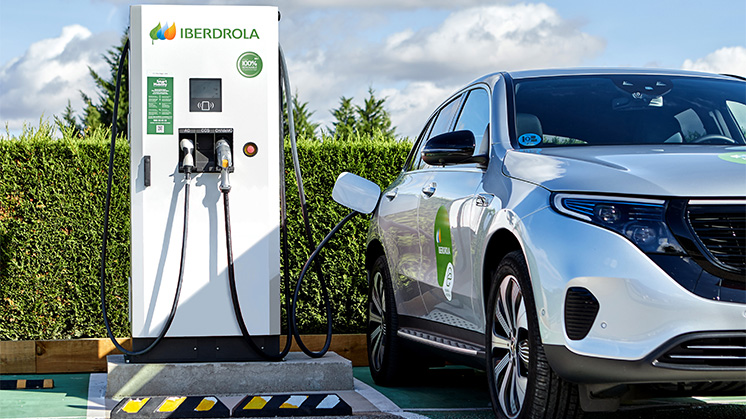

The adoption of electric vehicles (EVs) is accelerating rapidly, driven by environmental imperatives, technological advancements, and consumer demand for sustainable transportation. However, one critical factor influencing the widespread acceptance of EVs is accessibility to reliable charging infrastructure. Knowing how to locate EV Charging Stations efficiently ensures seamless travel, mitigates range anxiety, and optimizes operational planning for electric vehicle owners.
Understanding EV Charging Infrastructure
EV charging infrastructure is categorized based on voltage levels, charging speed, and accessibility. Level 1 chargers use standard household outlets and deliver slow charging suitable for overnight use. Level 2 chargers require specialized equipment and provide moderate charging speed, commonly found in residential complexes, workplaces, and public parking areas. Direct Current Fast Chargers (DCFC) enable rapid energy replenishment, suitable for long-distance travel and high-traffic corridors.
Recognizing these distinctions is crucial for identifying appropriate EV Charging Stations, as the type of charger directly impacts charging duration, vehicle compatibility, and strategic route planning.
Mobile Applications and Mapping Tools
Digital technology plays a pivotal role in locating EV charging infrastructure. Mobile applications such as PlugShare, ChargePoint, and A Better Routeplanner consolidate real-time data on charger location, availability, connector type, and pricing.
Leveraging these tools enhances the efficiency of locating EV Charging Stations nearby. Filters within these applications allow users to prioritize charging speed, payment options, and proximity, facilitating a tailored approach that aligns with both convenience and vehicle requirements.
Integrated Navigation Systems
Modern electric vehicles often include integrated navigation systems designed to identify nearby charging infrastructure. These systems incorporate real-time traffic conditions, energy consumption data, and vehicle-specific range estimates.
Using in-vehicle navigation to locate EV Charging Stations streamlines route planning, reduces detours, and ensures that drivers maintain optimal battery levels. Such integration transforms charging from a logistical challenge into a seamless component of travel planning.
Government and Utility Resources
Public agencies and utility providers increasingly maintain databases and interactive maps of charging stations. Federal, state, and municipal portals offer detailed information regarding station type, operational hours, and incentives for EV users.
Consulting these resources provides an authoritative reference for locating EV Charging Stations, particularly for regions where private applications may have incomplete coverage. Leveraging official data ensures reliability, adherence to regulatory standards, and access to potential subsidies or cost reductions.
Charging Network Memberships
Several charging networks operate proprietary stations accessible through membership programs. Networks such as Electrify America, EVgo, and Tesla Supercharger require registration, providing users with exclusive access, discounted rates, and priority availability.
Joining these networks optimizes the process of finding EV Charging Stations, particularly for frequent travelers. Membership benefits extend beyond convenience, offering predictive availability, loyalty incentives, and integration with digital payment systems.
Strategic Planning for Long-Distance Travel
Long-distance travel with an EV requires meticulous route planning to ensure consistent access to charging infrastructure. Calculating battery range, identifying intermediate charging points, and accounting for terrain, weather, and driving conditions are critical factors.
Strategically mapping EV Charging Stations along travel routes minimizes the risk of energy depletion and enhances travel efficiency. This proactive approach integrates technological tools, route optimization software, and contingency planning to create a resilient charging strategy.
Workplace and Residential Access
Access to charging infrastructure at workplaces and residential complexes significantly influences daily operational convenience. Employers and property managers increasingly install Level 2 chargers, enabling routine energy replenishment during non-peak hours.
Identifying and utilizing EV Charging Stations in these locations supports consistent battery management, reduces dependency on public stations, and integrates charging seamlessly into daily routines.
Public Infrastructure and Amenities
Public spaces such as shopping centers, airports, and municipal parking facilities increasingly provide EV charging amenities. These locations are strategically chosen to balance accessibility, foot traffic, and power availability.
Mapping EV Charging Stations within public infrastructure allows users to combine charging with errands, work, or leisure activities, optimizing time management while maintaining energy requirements for their vehicles.
Payment Systems and Access Methods
EV charging stations employ diverse payment mechanisms, including credit/debit cards, mobile wallets, and network-specific RFID access. Some stations offer pay-per-use pricing, while others operate on subscription or membership models.
Understanding payment requirements when identifying EV Charging Stations ensures a seamless user experience, reduces the risk of transactional delays, and facilitates interoperability across different charging networks.
Real-Time Availability and Dynamic Data
Charging infrastructure can experience fluctuating demand, particularly in urban centers or along major highways. Real-time availability information, often provided through mobile applications and network portals, enables dynamic planning and queue management.
Integrating these data streams into the search for EV Charging Stations minimizes wait times, allows for rerouting when necessary, and enhances overall travel efficiency for electric vehicle users.
Safety and Regulatory Compliance
Locating EV Charging Stations also involves consideration of safety and regulatory compliance. Stations must meet electrical standards, provide secure installation, and adhere to zoning regulations. Evaluating station reliability, maintenance schedules, and emergency access ensures safe and uninterrupted operation.
Emerging Technologies and Future Trends
Advancements in charging technology continue to expand accessibility. Ultra-fast chargers, wireless charging pads, and vehicle-to-grid integration promise to reduce charging time, enhance energy efficiency, and enable bi-directional energy flow.
Anticipating these developments when locating EV Charging Stations provides forward-looking strategies for infrastructure adoption, long-term travel planning, and integration with smart energy ecosystems.
Community Networks and Crowdsourcing
User-contributed data platforms facilitate the identification of charging stations in underrepresented or rural regions. Crowdsourcing provides real-time insights on station status, maintenance issues, and operational anomalies.
Utilizing community-driven resources enhances the precision of locating EV Charging Stations, particularly in areas where formal databases may lack comprehensive coverage. Active participation also contributes to network reliability and information accuracy.
Environmental and Sustainability Considerations
Locating charging stations powered by renewable energy sources maximizes the ecological benefits of EV ownership. Solar-powered stations, grid-sourced renewable integration, and energy-efficient infrastructure reduce the carbon footprint associated with vehicle operation.
Identifying EV Charging Stations with sustainable energy profiles aligns operational convenience with environmental responsibility, supporting broader climate objectives and sustainable mobility initiatives.
Efficiently locating EV Charging Stations is central to the practical adoption of electric vehicles, impacting convenience, safety, and energy management. Through a combination of mobile applications, integrated navigation systems, government resources, and community networks, drivers can access real-time information, optimize route planning, and ensure reliable battery replenishment.
Strategic consideration of charging type, availability, payment methods, and environmental sustainability further enhances the travel experience. As infrastructure continues to expand and technology advances, the process of finding charging stations will become increasingly seamless, supporting the growth of electric mobility and fostering a resilient, sustainable transportation ecosystem.
About the Author